
Currently Empty: ₹0.00

Understanding Baby Teething: When Does It Start?
Teething typically begins between 4-7 months, though some babies may start as early as 3 months. The first teeth to appear are usually the lower front teeth (central incisors), followed by the upper front teeth.
Signs your baby is teething:
- Excessive drooling
- Chewing on everything they can grab
- Swollen, tender gums
- Irritability and fussiness
- Slight fever (below 38°C)
- Disrupted sleep patterns
Why Teethers Are Essential
Teethers provide counter-pressure against the gums, which soothes the discomfort of emerging teeth. They also satisfy the natural urge to chew and can help teeth break through the gum surface more easily.
Types of Baby Teethers
1. Silicone Teethers
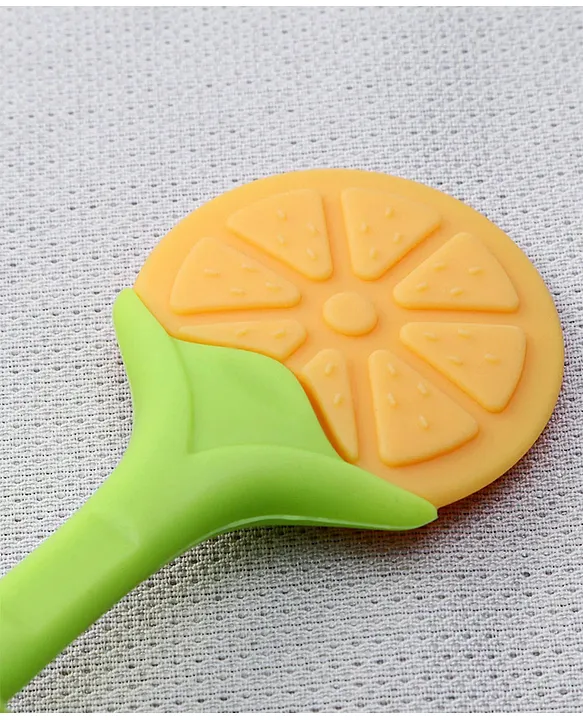
Made from food-grade silicone, these are the most popular choice. They’re soft, flexible, easy to clean, and come in various textures that massage gums effectively.
Pros: BPA-free, dishwasher safe, durable
Best age: 3-12 months
2. Wooden Teethers
Natural beechwood or maple teethers are chemical-free and provide a firm surface for babies who prefer harder textures.
Pros: Natural, eco-friendly, no chemicals
Best age: 6-12 months
3. Water-Filled Teethers
These can be refrigerated (not frozen) to provide cooling relief on sore gums.
Pros: Cooling effect, soothing
Best age: 4-10 months
4. Teether-Toy Combos
Rattles with teething surfaces, teether books, and teething mittens combine play with gum relief.
Pros: Entertaining + soothing
Best age: 4-12 months
5. Finger Toothbrush Teethers
Silicone finger brushes that parents wear to gently massage baby’s gums while introducing oral hygiene habits early.
Pros: Dual purpose, parent-controlled
Best age: 3-24 months
How to Choose a Safe Teether
- Material: 100% food-grade silicone or natural rubber (BPA, PVC, phthalate-free)
- Size: Large enough that baby can’t choke on it, small enough to hold easily
- Texture: Multiple textures stimulate different areas of the gums
- Easy to clean: Dishwasher-safe or easy to sterilize
- No small parts: Ensure nothing can break off and become a choking hazard
- Certification: Look for BIS, CE, or FDA-approved products
Teether Safety Tips
- Never tie a teether around baby’s neck (strangulation risk)
- Inspect teethers regularly for cracks or tears
- Clean teethers after every use with warm soapy water
- Don’t freeze water-filled teethers (they become too hard)
- Replace teethers every 2-3 months
- Avoid teethers with liquid fillings that could leak
Natural Teething Remedies (Along with Teethers)
- Cold washcloth for baby to chew on
- Gentle gum massage with clean finger
- Chilled fruit in a mesh feeder (for 6+ months)
- Breastfeeding for comfort
- Distraction with play and cuddles
Our Top Picks at NeonateCare
All teethers at NeonateCare are:
- 100% BPA-free food-grade silicone
- Designed for Indian babies (appropriate size and texture)
- Easy to clean and sterilize
- Colorful and engaging for babies
- Priced affordably starting from ₹122
Browse our full collection of safe baby teethers with free shipping above ₹499.
Frequently Asked Questions
How many teethers does a baby need?
We recommend having 3-4 teethers in rotation — one in use, one being cleaned, and one or two as backups. Different textures help at different teething stages.
Can I put teethers in the fridge?
Yes! Refrigerating (not freezing) silicone teethers for 15-20 minutes provides cooling relief. Frozen teethers become too hard and can hurt baby’s gums.
When should I introduce a teether?
You can introduce a teether as early as 3 months when you notice teething signs. Even before teeth appear, the counter-pressure feels good on developing gums.
